
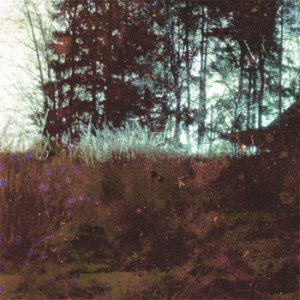
 White-hot in its intensity, the Sun hangs above. Glowing with its sickly fever, the star is suspended in its black home, unable to stir as it sits in the suffocating noose of gravity. Eight minutes later and the Earth is washed out by its pale, unusual colour and strange light. The lambency of that light is simultaneously either far too pale or brilliant beyond belief; rainbow-like, it sits there on the brink, on the outskirts of sanity.
On one discordant afternoon, the Earth seems to spin In Slow Motion. Three p.m rolls around, and everything is not as it seems. In this instance the authentic crackle of vinyl (which so often produces its own warmth) is not so much a generous pleasure, but instead an itch that you can’t quite scratch. It is plagued by its underlying hiss. Its tonal authenticity shines a light on the disturbing face of a reality you never wanted to see. When the music is playing, reality as we know it morphs into an illusion, and this thought flares up off the surface of the mind like a lucid mirage in a sterile land.
In the Sun’s torchlight, wan colours sway and the unnatural lurks behind every drone. Small Things on Sundays conjure up queasy drones and a thick, gurgling potion of palpitations. Another dimension rips open. Mud pools splutter out deeper bass notes that in turn squirm out of the swamp and into the light. The drone hides something in the leaves, the sharp snapping of the twig unsettling the sensitive skin with its close encounter.
Warped pitch manipulation hides some kind of auditory phantom. Snatches of song rise to the fore, sung by a squelching mouth from lips that aren’t used to speaking. The pitch slowly slides downwards, recreating the infancy of the Earth with its flowing lava and prehistoric rock. The deeper wave of “What Cloud” passes overhead and brings with it an uneasy feeling you can’t put your finger on. Shafts of slow moving light bend as they hit the prism of drone. Beautiful deeper swells of drone would help to relieve the spirit, if they weren’t so deranged. But their instability, while never fading away, holds an unparalleled freedom of movement.
Palms are sent higher into the air so they can feel the heat. The light is a reminder of the relationship we have with our star and its influence on our way of life. Its solar flare can knock out our satellite transmissions and curtail radio communication and cell phone coverage. It takes the Sun 226 million years to orbit the center of the Milky Way. Dinosaurs ruled the last time the sun completed its transit.
Shafts of sunlight hit my face. (James Catchpole)
 a closer listen