
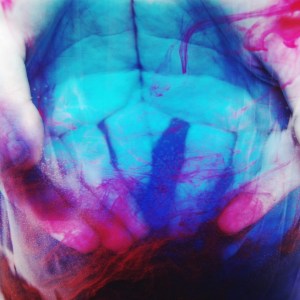
 Shaun McNamara’s first instrumental release since Heads in Dust is a triple threat: 1) Cause (all proceeds go to the Greyhound Rescue organization); 2) Packaging (the disc comes with an original zine) and 3) Music (even better than the last). In Your Nature may be a dark release, but the album’s tone is balanced by its light purpose. If one feels a sense of claustrophobia while listening, one is advised to think of the dogs!
Harsh, abrasive drones are present throughout the release, which buries its melodies like bones. Clouds of static roar over the racetrack, transmissions eager to be heard but difficult to decipher. The breezy titles may cause some to do double-takes: “Adrift”, “In Dreams”, “Sea of Light”, “Innocence”. But as the set progresses, darkness descends upon the titles: “This Unrest”, “As Time Dies”, “Long Dead Flowers”. When combined, the album title, the use of a film title (“The Lives of Others”), the cover art and the rescue mission lead one to believe that the album is an indictment of human nature. (“The Lives of Others” dwelt in surveillance, sex and suicide.) But if the album is an indictment, it’s also a reminder of the balance between good and evil. Some humans abuse animals; others seek to save them. An artist composes a bleak score, then releases it as a benefit.
 The most curious track, “Innocence”, is the album in microcosm. If this is what innocence sounds like, we’re all in trouble. Long stretches of drone cover the sonic field like kidnap blankets; staccato sounds bisect the air like emergency choppers. When they subside, they expose the sounds of frigid winds and emotionless breath. This sounds more innocence lost, or guilt.
In Your Nature is a slow corrosion. Yet the music offers a morbid fascination that is less like a car crash than a temptation. This darkness draws one in, a Venus Fly Trap ready to ensnare any who draw too close. There’s no break from the oppression, although sharp noises fall like electronic whips (“The Lives of Others”) dull noises gurgle like tar pits (“This Unrest”), and computer noises beep like heart monitors (“As Time Dies”). When voices appear in “Lament”, they stay too far away to be understood, like passers-by who fail to notice the cries of the kidnapped. Or to bring the album closer to home, like people who fail to hear the cries of the needy, human or canine. At last we understand. It may not be in our nature to help, but in such cases, nature can be – and should be – denied. (Richard Allen)
 a closer listen