
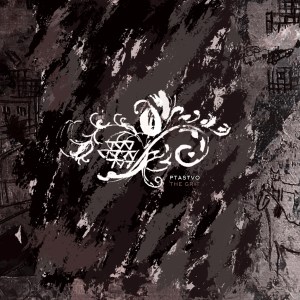
 The Grit is one of the most striking documents to emerge from Ukraine this year. Written from the perspective of a veteran who is now part of a large volunteer force providing support and supplies to active members of the Ukrainian armed forces, the album attempts to process the unprocessable, using music as a backdrop to trauma while emphasizing ~ and in some cases even generating ~ “the energy to go on.” Recording as Ptastvo (Ukrainian for “birdlife” or “all the birds”), Volodymyr Ponikarovskyi bares his soul to the audience, riding a wave of emotion that continues to grow as the album unfurls.
“The Witch” is a stunning beginning. Riding on a bed of strings, the track breaks into a militaristic stomp, abraded words traveling speaking to speaker. The Вся Надія choir adds additional drama, a sense of largesse. The music builds and swirls, leading to the sound of a ballistic rocket racing overhead and exploding in Kyiv earlier this year. There is no escape from the war, only an ongoing need to incorporate the threat of annihilation into daily life. By the trumpet-led “Inappropriate Content,” the set yields comparison to Future Sound of London’s Dead Cities, in its reflection of urban areas desecrated by bombs and its blended timbres of techno and ambience. “North Saltivka Noire” contains the sound of what may be an air raid siren, but by this time, even things that sound like sirens have the potential to induce agitation and fear.
The hauntological “Marauders” begins with forlorn cello and incorporates slow, sampled vocals, as if from another age. The ghosts of other wars haunt this one, the memories of other invasions. The name of the label ~ I Shall Sing Until My Land Is Free ~ is eerily appropriate. There is indeed grit to be found in war: the physical grit of stone and sand, the emotional grit of stubborn determination. “Special Force” highlights this forward movement, each percussive pause like the period between charges. Ponikarovskyi writes of “raw colors,” an apt description of the emotions on hand.
There is also great care given to the intricacies of production, as if to balance the lack of control over a nation’s future with a modicum of control over how the story is told. The sound of a shovel in “Shovels Dig Holes” starts as field recording and ends as percussion, as if to say that the sound has become so common it is now part of daily life. The breakdown at 2:43 is particularly stark, preceding an eruption of anger, repeated at the very end.
To listen to The Grit is to experience the inner life of a soldier: all the doubts and fears, all the hopes and dreams. As Ponikarovskyi presses forward physically and emotionally, the listener does also, plowing through the debris to higher ground, knowing that each victory may last only a moment. Making art in a time of war is a rare gift; making art as a warrior is rarer still. (Richard Allen)
 a closer listen
Pingback: A Closer Listen Reviews – Avant Music News
Pingback: A Closer Listen Reviews – Avant Music News