
Author Archives: gianmarcodelre
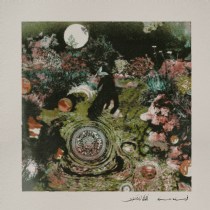
Emna Mâaref ~ Ama Lel Hawa / أَما لِلهَوى
The title of Emna Mâaref‘s first solo full-length comes from a verse by the tenth-century Arab poet Abu Firas al-Hamdani, roughly asking, “Has longing no hold over you?” Yet hawa encompasses love, desire, attraction and surrender, and Mâaref describes these
Emna Mâaref ~ Ama Lel Hawa / أَما لِلهَوى
The title of Emna Mâaref‘s first solo full-length comes from a verse by the tenth-century Arab poet Abu Firas al-Hamdani, roughly asking, “Has longing no hold over you?” Yet hawa encompasses love, desire, attraction and surrender, and Mâaref describes these

Siavash Amini & Eugene Thacker ~ Songs for Sad Poets Vol. III
“There are black silences, like thunderclouds, that burst into flashes of music,” H. G. Wells writes in Select Conversations with an Uncle. The phrase finds an almost literal visual counterpart in Jordan Reyes’s cover for Songs for Sad Poets Vol.
Siavash Amini & Eugene Thacker ~ Songs for Sad Poets Vol. III
“There are black silences, like thunderclouds, that burst into flashes of music,” H. G. Wells writes in Select Conversations with an Uncle. The phrase finds an almost literal visual counterpart in Jordan Reyes’s cover for Songs for Sad Poets Vol.
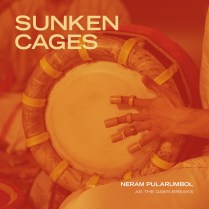
Sunken Cages ~ Neram Pularumbol
Neram Pularumbol (“As The Dawn Breaks”) finds Sunken Cages pulling the rhythmic traditions of South India into an electronic vocabulary of bass, drones, and fractured club music. The album opens in celebratory, ebullient mode with “Kerala”, before “Elephant Dance” raises
Sunken Cages ~ Neram Pularumbol
Neram Pularumbol (“As The Dawn Breaks”) finds Sunken Cages pulling the rhythmic traditions of South India into an electronic vocabulary of bass, drones, and fractured club music. The album opens in celebratory, ebullient mode with “Kerala”, before “Elephant Dance” raises
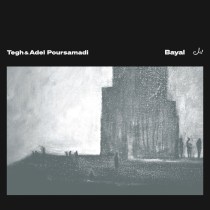
Tegh & Adel Poursamadi ~ Bayal بیل
Gholam-Hossein Sa’edi’s The Mourners of Bayal (1964) remains one of the defining works of modern Iranian literature. Across eight interconnected stories set in the fictional village of Bayal, Sa’edi explores poverty, famine, superstition, grief and death through a world where
Tegh & Adel Poursamadi ~ Bayal بیل
Gholam-Hossein Sa’edi’s The Mourners of Bayal (1964) remains one of the defining works of modern Iranian literature. Across eight interconnected stories set in the fictional village of Bayal, Sa’edi explores poverty, famine, superstition, grief and death through a world where
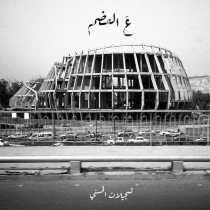
Tasgeelat Al-Husni – تسجيلات الحُسني ~ Shell and Core – عَ العَضم
Shell and Core takes its title from the unfinished concrete structures that have become fixtures of the Syrian landscape, and Tasgeelat Al-Husni تسجيلات الحُسني uses that image of arrested construction as a way of looking at lives left incomplete. Much
Tasgeelat Al-Husni – تسجيلات الحُسني ~ Shell and Core – عَ العَضم
Shell and Core takes its title from the unfinished concrete structures that have become fixtures of the Syrian landscape, and Tasgeelat Al-Husni تسجيلات الحُسني uses that image of arrested construction as a way of looking at lives left incomplete. Much
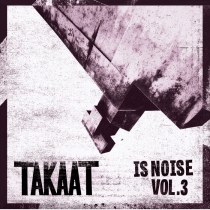
TAKAAT ~ Is Noise, Vol. 3
By the third instalment of their Is Noise series, TAKAAT [pronounced tuh-cot and meaning “noise” in the Tuareg language Tamashek] have moved further from the raw collision of Tuareg guitar and punk that initially defined the project. The trio has
TAKAAT ~ Is Noise, Vol. 3
By the third instalment of their Is Noise series, TAKAAT [pronounced tuh-cot and meaning “noise” in the Tuareg language Tamashek] have moved further from the raw collision of Tuareg guitar and punk that initially defined the project. The trio has
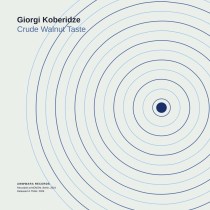
Giorgi Koberidze ~ Crude Walnut Taste
Listening to Crude Walnut Taste, it is tempting to focus on Giorgi Koberidze‘s compositional rigour: the electroacoustic transformations, the dialogue with Western classical forms, the microscopic attention paid to the behaviour of sound. Those elements are certainly there, but they
Giorgi Koberidze ~ Crude Walnut Taste
Listening to Crude Walnut Taste, it is tempting to focus on Giorgi Koberidze‘s compositional rigour: the electroacoustic transformations, the dialogue with Western classical forms, the microscopic attention paid to the behaviour of sound. Those elements are certainly there, but they

Yara Mekawei and Amir Rezk ~ 33
33 takes the traditional age of Christ at his death as the axis of a twelve-part electroacoustic cycle concerned with creation, incarnation, suffering, death and renewal. Yara Mekawei and Amir Rezk draw on biblical passages, Coptic Orthodox liturgy and Arabic
Yara Mekawei and Amir Rezk ~ 33
33 takes the traditional age of Christ at his death as the axis of a twelve-part electroacoustic cycle concerned with creation, incarnation, suffering, death and renewal. Yara Mekawei and Amir Rezk draw on biblical passages, Coptic Orthodox liturgy and Arabic

